Chikankari vs Banarasi: Which One Suits You Better?
If you’ve ever stood in front of your wardrobe torn between a soft pastel Chikankari suit and a regal Banarasi saree, you’re not alone. Both are icons of Indian craftsmanship - elegant, timeless, and deeply rooted in culture.
But they couldn’t be more different in how they feel, look, and express you.
In this post, we’ll explore the story, fabric, feel, and styling possibilities of Chikankari vs Banarasi, so you can decide which one truly reflects your personality.
1. Origin & Craftsmanship
Chikankari: The Art of Subtlety
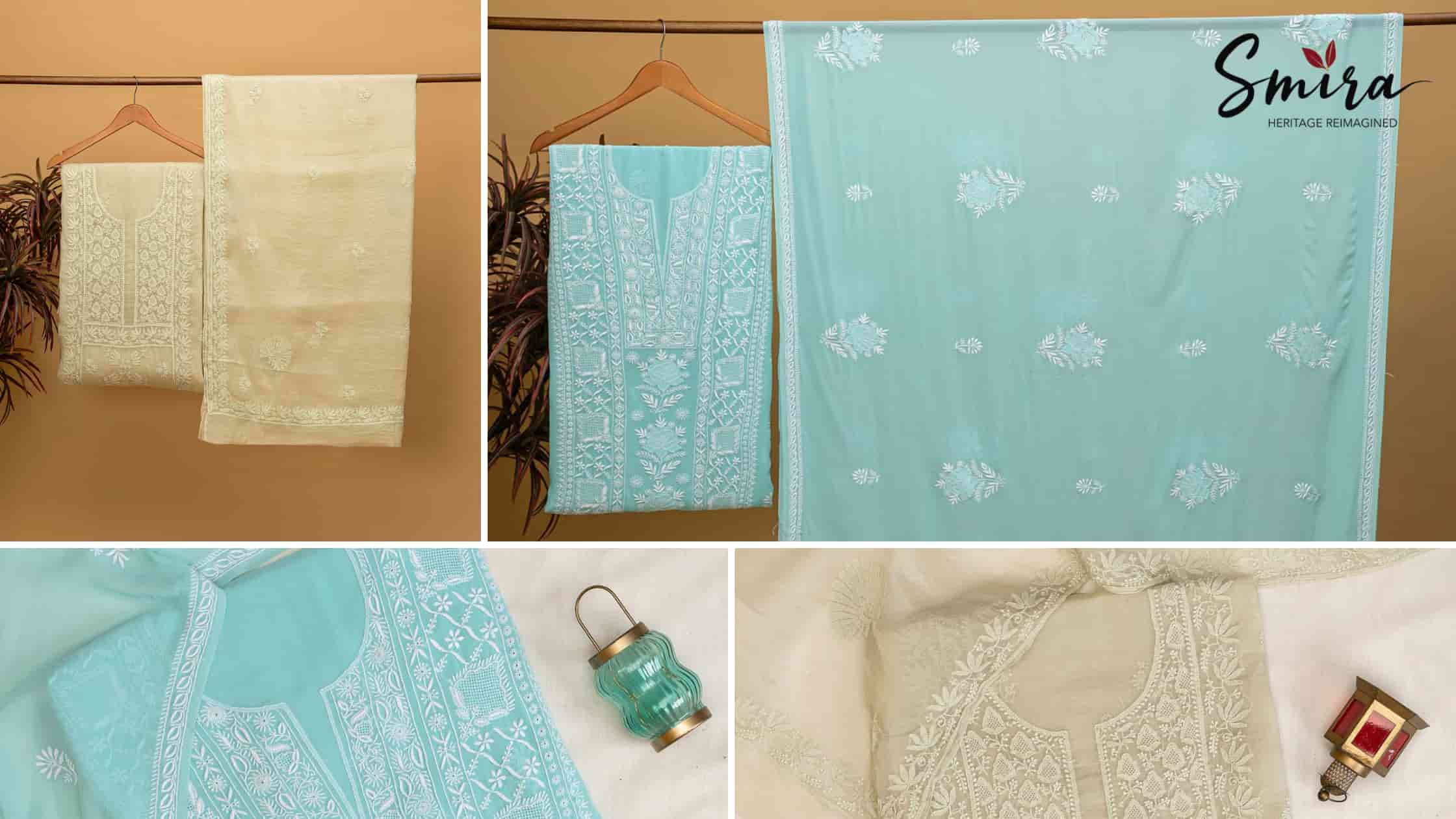
Originating from Lucknow, Chikankari is one of India’s oldest and most graceful embroidery styles. Each piece is hand-embroidered using fine white or pastel threads on soft fabrics like cotton, muslin, or georgette.
It’s about restraint - beauty in small details. The magic lies in the tiny, delicate stitches that create a gentle play of texture and light.
Banarasi: The Weave of Royalty
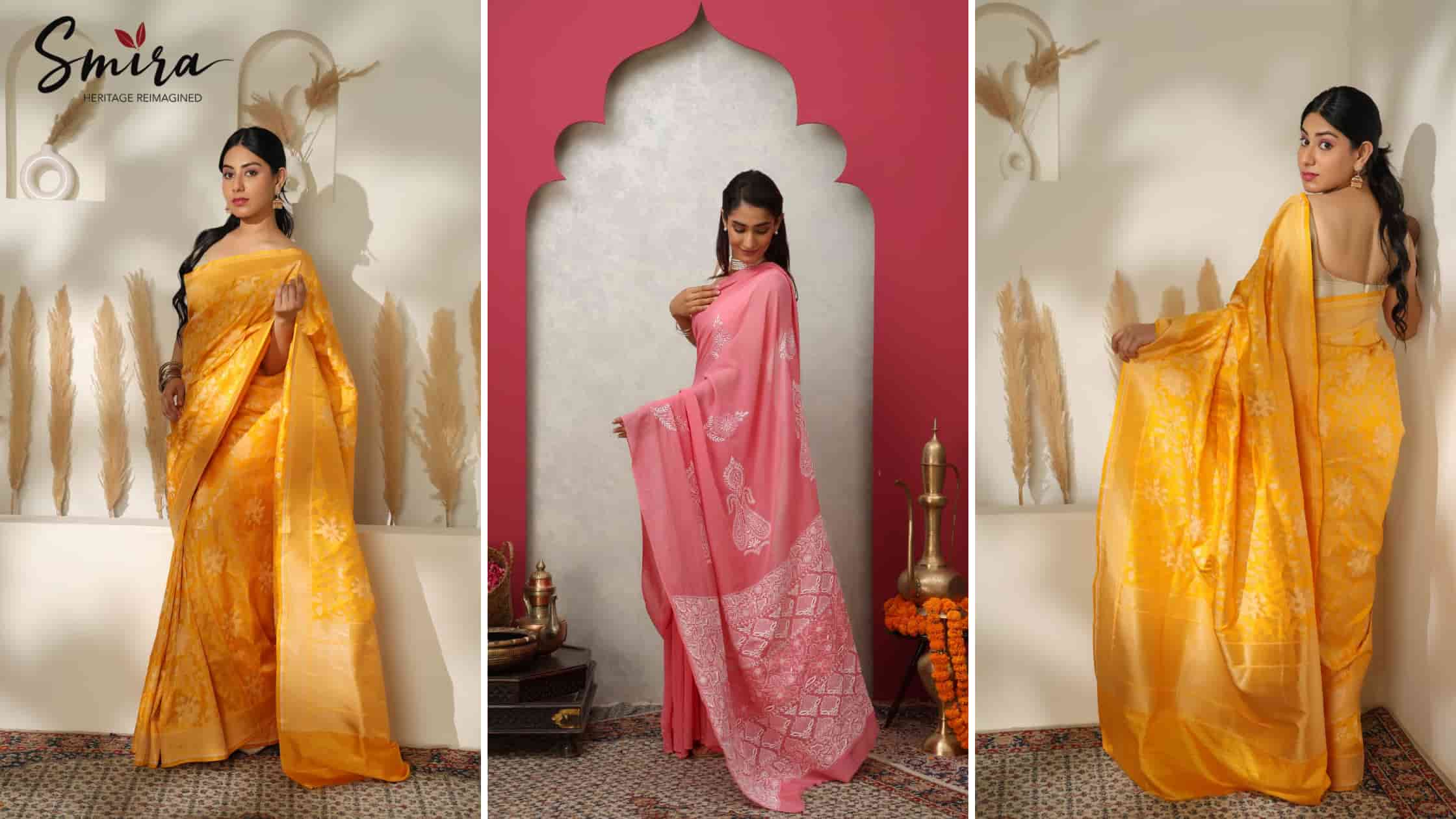
Banarasi, on the other hand, hails from Varanasi (Banaras). It’s known for its luxurious silk fabric woven with gold and silver zari threads. A Banarasi saree can take weeks - sometimes months - to make.
Every motif tells a story - from Mughal florals to temple borders - making it a masterpiece of opulence.
2. Fabric & Comfort
Chikankari: Light as Air
If comfort and breathability are priorities, Chikankari wins. The fabrics are lightweight, airy, and perfect for Indian summers. It’s ideal for long days at work, casual lunches, or small festive gatherings.
Banarasi: Rich & Regal
Banarasi is heavier - both in fabric and look. The silk drape gives structure and presence, making it a go-to choice for weddings, receptions, and celebrations.
While it’s not your everyday wear, it’s unmatched in its ability to make you feel grand.
3. Design Language
|
Aspect |
Chikankari |
Banarasi |
|
Look & Feel |
Soft, minimal, graceful |
Rich, ornate, royal |
|
Fabric |
Cotton, muslin, chiffon, georgette |
Pure silk, katan, organza |
|
Technique |
Hand embroidery |
Hand weaving |
|
Colors |
Pastels & neutrals |
Jewel tones & metallics |
|
Occasion |
Everyday elegance |
Weddings & festive wear |
4. Where Each Shines Best
Chikankari suits you if...
-
You love understated elegance and breathable comfort.
-
You prefer versatile pieces that move easily from office to brunch.
-
You like subtle textures over heavy embellishment.
-
You see beauty in simplicity and small handcrafted details.
Styling tip: Pair your Chikankari suit with oxidized silver earrings or pearl studs — the quiet sophistication works in any setting.
Banarasi suits you if...
-
You enjoy traditional silhouettes and statement outfits.
-
You’re drawn to rich colors, zari, and timeless grandeur.
-
You attend weddings, festive occasions, or formal events often.
-
You want a piece that lasts for generations — an heirloom, not just a purchase.
Styling tip: Keep accessories bold but balanced - a Banarasi saree doesn’t need much help to shine. Gold jewelry and a sleek bun usually complete the look.
5. Modern Takes: Blending Both Worlds
Fashion today lets you enjoy the best of both worlds. Imagine a rich Banarasi dupatta over a soft Chikankari kurta — or a delicate Chikankari blouse paired with a pure silk Banarasi saree. This interplay of texture, craft, and colour is where contemporary Indian fashion truly shines: elegant, wearable, and uniquely yours.
The Smira Perspective
At Smira, we’ve always felt that style isn’t about choosing between “light” or “heavy” — it’s about how it makes you feel. That’s why our collections celebrate the comfort of Chikankari and the grace of Banarasi, both reimagined for the modern woman.
And just like fashion evolves, these crafts are evolving too. Chikankari today isn’t limited to pastels — it now comes alive in deeper, moodier shades on flowy georgettes, often highlighted with the soft shimmer of mukaish. Perfect for a sangeet night, a sundown glam party, or any moment you want effortless sparkle.
Banarasi, traditionally known for its heavier drapes, is also finding a lighter language. Softer pastel georgettes and airy organzas are giving Banarasi its fresh, contemporary avatar — making it ideal for daytime festivities, intimate gatherings, and easy festive dressing.
That’s the Smira take: celebrating heritage, embracing change, and crafting pieces that breathe, flow, and move with you — whether it’s a Monday meeting or a wedding evening.
FAQs
1. What is the difference between Chikankari and Banarasi?
Chikankari is an embroidery technique from Lucknow, made using fine hand stitches on soft fabrics like cotton or georgette. It’s known for its light, breathable texture and subtle beauty.
Banarasi, on the other hand, comes from Varanasi and is woven using silk threads with zari detailing. It’s heavier, more ornate, and often worn for weddings or festive occasions.
2. Which is more comfortable to wear - Chikankari or Banarasi?
Chikankari is definitely more comfortable for daily wear. The fabrics are soft, airy, and ideal for warm weather. Banarasi silk is heavier and best suited for grand occasions rather than everyday use.
3. Can Chikankari be worn for weddings?
Yes, absolutely. Modern Chikankari suits and sarees in silk, organza, or georgette with light shimmer or mukaish work look beautiful for day weddings or mehendi functions. They’re elegant without being overpowering.
4. Why is Banarasi silk considered luxurious?
Banarasi silk sarees and suits are woven with pure silk and zari (gold or silver thread). Each piece can take weeks to create, and the craftsmanship gives it a regal finish. That’s why it’s a staple in Indian bridal and festive wardrobes.
5. Which one suits me better - Chikankari or Banarasi?
If you prefer soft, everyday elegance and breathable comfort, go for Chikankari. If you love rich, structured drapes and festive glamour, Banarasi is for you. Many women keep both - one for grace, one for grandeur.